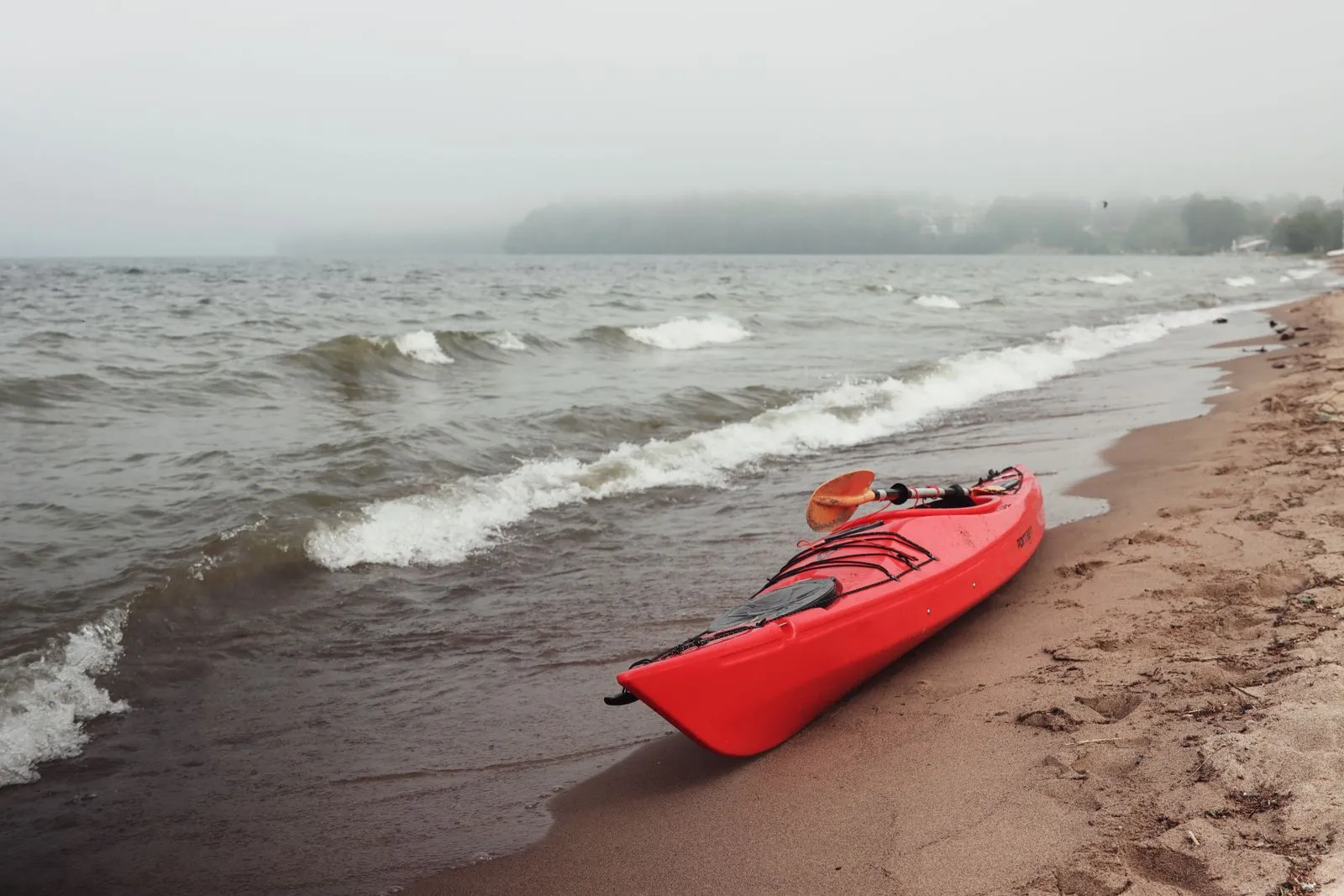
The right touring kayak should feel comfortable, manageable, and suited to the water and distance you plan to cover. A sleek boat is not automatically the best choice: cockpit fit, stability, storage, and your paddling experience all affect how enjoyable a trip feels. Before renting or buying, think through where you’ll paddle, how long you’ll be out, and what you’ll bring. A few practical checks can help you choose a kayak that feels like a good match from the first strokes.
Start With Fit and Comfort
A kayak should support your legs and hips without pinching or leaving you sliding around. Sit in the boat and check that your knees rest comfortably against the thigh braces, your feet reach the foot pegs, and you can adjust the seat. You should be able to turn your torso and reach the paddle naturally. A fit that feels secure helps you control the boat without bracing awkwardly.
Cockpit size matters, too. Make sure you can enter and exit without struggling, especially if you’re new to touring kayaks. If you’ll paddle for hours, test the seat and back support for pressure points before setting out. Ask about adjustments rather than assuming you’ll get used to an uncomfortable setup; small changes to foot pegs or seat position can make a noticeable difference.
Balance Stability and Handling
A wider kayak often feels steadier when you sit still or get in and out, which can be reassuring for beginners. A narrower design may move efficiently through the water but can feel more responsive to shifts in your body. Stability is not just about width: hull shape, water conditions, and how you sit also affect how a kayak feels.
Choose a boat you can control confidently, not one that simply feels hardest to tip at the dock. If possible, try it in calm water and notice how it responds when you look around, reach for an item, or make a gentle turn. Ask a rental outfitter to recommend an option for your experience and the day’s conditions. Follow their safety guidance, and wear a properly fitted life jacket.
Match the Kayak to Your Trip
For a short outing, prioritize easy entry, comfort, and enough room for water and a few essentials. Longer trips call for a seat you can tolerate over time, space for food and extra layers, and a design that tracks well across open water. Check how the kayak’s storage compartments work and whether your gear will fit securely and remain accessible.
Consider the route as well as the distance. Wind, waves, boat traffic, and shoreline access can change what feels manageable. A kayak that works on a sheltered lake may not suit exposed water or a route with limited places to stop. Plan conservatively, check local conditions, and leave room in your schedule to turn back if you feel tired or conditions shift.
Be Honest About Experience
If touring is new to you, choose a kayak that feels predictable and easy to manage, then practice basic strokes and turning in a protected area. A shorter or more maneuverable boat can be simpler to handle near shore, while a longer touring kayak may travel efficiently on a longer route but take more practice to control. Ask for a brief orientation before launching.
Experienced paddlers can consider how the kayak’s tracking, responsiveness, and storage suit their usual routes and skills. Whatever your level, make sure you can perform a wet exit and know what to do if you capsize. When renting, tell the outfitter your experience, planned route, and trip length so they can help match you with a suitable boat.
A good touring kayak fits your body, feels manageable on the water, and has the capacity your route requires. Start with comfort and stability, then weigh trip length, storage, and your paddling skills. Wasatch Paddle Tours can help you compare options for a Park City outing; share your plans before you head out.